Boxing Bag
Understanding the Different Types of Boxing Bags
When it comes to choosing the right boxing bag, it's essential to understand the various types available. Each type serves a unique purpose and caters to different training needs. Here are some popular options:
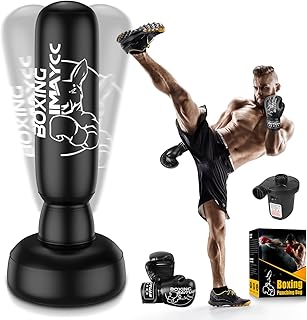
- Heavy Bags: These are the most common boxing bags, designed for powerful strikes and overall conditioning.
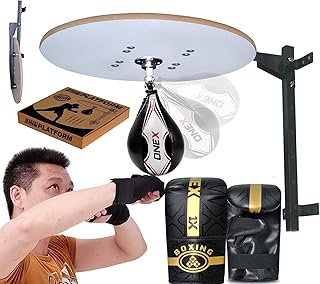
- Speed Bags: Perfect for developing hand-eye coordination and speed, speed bags are smaller and attached to a swivel.
- Double-End Bags: These bags are anchored at both ends and help improve timing and reflexes.
- Wall Bags: Ideal for practicing specific strikes, wall bags are mounted to a wall, providing a solid target.
Choosing the Right Boxing Bag for Your Needs
Selecting a boxing bag can be overwhelming with so many options available. Consider the following factors to find the best match for your training:
- Training Goals: Identify whether you're focusing on strength, speed, or technique.
- Space: Ensure you have enough room for the bag and its required movement.
- Weight: Choose a bag weight that suits your strength level; a good rule of thumb is half your body weight.
- Material: Look for durable materials like leather or synthetic options that withstand heavy use.
Inspiration for Gifting a Boxing Bag
A boxing bag can be a fantastic gift for fitness enthusiasts or anyone looking to start a new hobby. Here are a few ideas for who might appreciate this gift:
- Fitness Lovers: Perfect for those who enjoy working out at home and want to diversify their routine.
- Boxing Beginners: A great introduction to the sport for newcomers.
- Kids and Teens: Engaging and fun for younger audiences, encouraging an active lifestyle.
Consider the recipient's training style and preferences when selecting a boxing bag. You can explore various options on our product page to find the perfect fit.
People Also Look For:
- AQF Leather Double-End Boxing Bag Speed Ball - Floor-to-Ceiling Punching Rebound Ball with Adjustable Bungee Cord - Reflex Dodge S...
- Heavy Boxing Bag with Stand for Adult Teens Kids, Freestanding Inflatable Punching Bag with Gloves, Men Women Stand Kickboxing Box...
- RDX Floor Anchor for Punch Bag Double end Speed ball, Non Tear Maya Hide Leather, Heavy Duty D Ring, Easy Zipper Closure, Maximum ...
- HOMCOM 2-in-1 170-190cm Freestanding Boxing Punch Bag Hanger, Speed Ball Station Platform, for Home, Gym
- ZWEquipint Punching Cover Waterproof Dustproof Windproof Oxford Cloth Freestanding Lanyard Black Freestanding,Stand Boxing Covers(...
Seasonal Use Cases for Boxing Bags
Boxing bags can be enjoyed year-round, but certain seasons may inspire specific training routines. Here are some ideas:
- Winter: A boxing bag can be a great way to stay active indoors during colder months.
- Summer: Set up your bag outside for outdoor workouts when the weather is nice.
- Holidays: Boxing bags make thoughtful gifts for birthdays and holidays, encouraging fitness goals.
Practical Tips for Setting Up Your Boxing Bag
Once you've selected your boxing bag, setting it up correctly is crucial for safe and effective training. Here are some practical tips:
- Location: Choose a spot with ample space and good lighting.
- Height: Hang the bag so that the centre is at your chin height for optimal striking.
- Secure Installation: Use appropriate anchors and hardware to ensure the bag is stable and safe.
For more information on quality boxing bags and other training equipment, visit our homepage at punchingbags.co.uk.
Frequently Asked Questions About Boxing Bag
What size boxing bag should I choose?
The size of the boxing bag largely depends on your height and weight. A general guideline is to select a bag that is half your body weight for optimal training effectiveness.
How do I maintain my boxing bag?
Regularly check for wear and tear, and clean the bag with a damp cloth to remove sweat and dirt. Proper maintenance will extend the life of your boxing bag.
Can I use a boxing bag for other workouts?
Absolutely! Boxing bags can enhance various workouts, including cardio, strength training, and coordination exercises. They are versatile tools for improving overall fitness.
Is a heavy bag suitable for beginners?
Yes, a heavy bag is a great choice for beginners. It allows for powerful strikes and helps build strength, making it an excellent addition to any training routine.