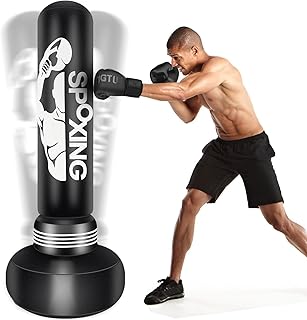
Expert Tips for Improving Your Punching Bag Technique and Form
8 Expert Tips for Improving Your Punching Bag Technique and Form
1. Proper Stance
One of the most crucial aspects of punching bag training is maintaining a proper stance. Stand with your feet shoulder-width apart, one foot slightly in front of the other. Keep your knees slightly bent and your weight evenly distributed. This stance will help you maintain balance and generate power in your punches.
2. Use Your Entire Body
Don't just rely on your arms to do all the work. Engage your core muscles and use your hips and legs to generate power in your punches. By incorporating your entire body into each punch, you'll be able to deliver stronger and more effective blows.
3. Focus on Technique
Practice proper punching technique to ensure maximum impact and efficiency. Keep your fists clenched but relaxed, and aim to hit the bag with your first two knuckles. Rotate your hips and shoulders with each punch to add power and precision to your strikes.
People Also Look For:
- Senshi Japan 6ft, 5ft, 4ft, 3ft Punch Bag, Heavy Filled Hanging Boxing Bag For MMA, Kick Boxing, Muay Thai, Karate & Mixed Martial...
- NZQXJXZ Punching Bag Hanging Set, Unfilled Boxing Bag with A Full Range of Accessories, Microfiber Leather Heavy Bag for Training ...
- Double End Boxing Speed Bag: Speed Bags for Boxing Reaction Agilit & Hand Eye Coordination Training - Boxing Reflex Ball for Home ...
- Bull Doza Fight Wear Pro Water Punch Bag - Heavy Durable Waterproof - Medium
- MaxxMMA Speed Bag Platform Kit - Heavy Duty Boxing Training Equipment with Punching Ball, Adjustable Height for Home Fitness, Suit...
4. Work on Speed and Accuracy
Don't sacrifice speed for power, or vice versa. Aim to strike the bag quickly and accurately while maintaining proper form. Practice combinations of punches to improve your reflexes and hand-eye coordination.
5. Incorporate Footwork
Moving around the bag will not only help improve your cardiovascular endurance but also enhance your overall boxing skills. Practice shuffling, pivoting, and circling around the bag to work on your footwork and agility.
6. Mix Up Your Workouts
Keep your training sessions varied and engaging by incorporating different drills and exercises. Use intervals of high-intensity punching followed by periods of rest to simulate real fight scenarios and improve your conditioning.
7. Focus on Defense
Don't just focus on offense; work on your defensive skills as well. Practice slipping, bobbing, and weaving to avoid incoming punches and counter effectively. Remember, a good defense is just as important as a strong offense.
8. Listen to Your Body
Pay attention to how your body feels during and after each training session. If you experience pain or discomfort, take a break and allow your body to rest and recover. Pushing yourself too hard can lead to injuries that may hinder your progress.