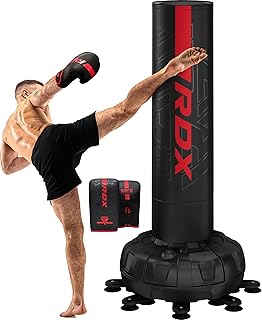
How to Choose the Right Size Punching Bag
Choosing the right size punching bag is crucial for anyone looking to enhance their boxing or martial arts training. This guide will help you navigate the options available, from light bags suitable for beginners to heavy-duty models designed for advanced practitioners. Understanding the right size for your needs can significantly impact your training efficiency and overall performance.
This guide is intended for individuals of all skill levels, whether you're a novice looking to get started or an experienced fighter aiming to refine your technique. You will learn how to select the appropriate punching bag size based on your height, weight, and training goals. Additionally, we will cover price ranges and key features to consider, ensuring you make an informed purchase that suits your training needs.
Assess Your Training Goals
Before choosing a punching bag size, consider your training objectives. Are you focusing on strength building, technique refinement, or cardio workouts? Each goal may require a different bag size to optimise your training sessions.
People Also Look For:
- QPAU Larger Stable Punching Bag for Kids, 66 Inch Inflatable Boxing Bag, Gifts for Boys & Girls Age 5+ for Practicing Karate, Taek...
- Title Mammoth Smash Bag Double End Bag
- Leather Double End Dodge Speedball Bag MMA Boxing Training Floor to Ceiling Punch Bag Punching Speed Ball Boxing Trainer (Black/Wh...
- Inflatable Punching Bag for Kids - Boxing Bag for Karate Practice & Stress Relief
- NZQXJXZ Punching Bag Hanging Set, 120cm/4ft Boxing Bag with A Full Range of Accessories, Microfiber Leather Heavy Bag for Training...
Match Size to Your Height
A general rule of thumb is to select a bag that is around half your height. For example, if you are 6 feet tall, a 3 to 4-foot bag may be ideal. This ensures the bag is at a comfortable striking height for effective training.
Consider Weight and Material
The weight of the punching bag should correlate with your weight. Heavier bags (around 70-100 lbs) are better for advanced users, while lighter bags (around 40-60 lbs) are suitable for beginners. Additionally, consider the material for durability and feel during training.
Think About Space and Setup
Ensure you have adequate space for both the punching bag and your movements. Measure your available area and choose a bag that fits comfortably, allowing for swinging without obstruction. A hanging bag will require different space compared to a freestanding one.
Budget Wisely
Punching bags come in a variety of price ranges. Set a budget that considers not only the bag but also additional accessories like gloves or brackets. Quality bags may require a higher initial investment but can offer better durability and performance.
Check Delivery Options
When purchasing a punching bag, consider delivery options and potential shipping costs. Some bags may be heavy and require special delivery arrangements. Ensure you check the delivery policy to avoid unexpected costs.