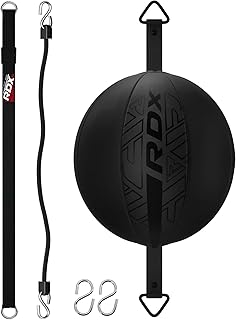
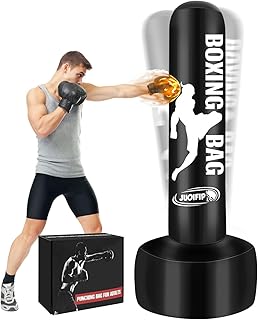
Comparison of Filled vs Unfilled Punching Bags
Punching bags are essential tools for training in various martial arts and boxing disciplines. This guide provides a comprehensive comparison between filled and unfilled punching bags, helping you understand their differences, advantages, and suitability for your training needs. Understanding these distinctions is crucial for making an informed decision when selecting the right punching bag for your workout routine.
This guide is aimed at beginners and seasoned martial artists alike who are considering investing in a punching bag. You will learn about the key features to look for, such as weight, material, and intended use, alongside the price ranges typically associated with filled and unfilled bags. Prices can vary significantly, so knowing what to expect will help you make a budget-friendly choice that aligns with your training goals.
Understand Your Training Goals
Before choosing between filled and unfilled punching bags, determine your training objectives. If you aim to develop striking power, a filled bag may provide the resistance you need. Conversely, if you're focusing on mobility and technique, an unfilled bag can be more beneficial.
People Also Look For:
- RDX Floor Anchor for Punch Bag Double end Speed ball, Non Tear Maya Hide Leather, Heavy Duty D Ring, Easy Zipper Closure, Maximum ...
- Gallant 5.5ft Free Standing Punch Bag-Heavy Duty Pedestal Stand Boxing Bag for Kickboxing Martial Arts MMA Dummy Muay Thai Home Gy...
- Maxx Punch Bag Boxing Set BLACK 3FT 4FT 5FT 6FT Heavy Filled Punchbag Gloves Bracket Full Black
- Maxx 4FT Angle Heavy Filled Punch Bag – Black & Red, Perfect for Uppercuts & Boxing Training | Available as 10-Piece Set or...
- Free Standing Kids Boxing Bag - De-Stress Punch Bag for Taekwondo
Consider Bag Size and Weight
Filled punching bags generally come in heavier weights, making them stable for powerful strikes. Unfilled bags allow you to customize the weight by choosing the filling material. Make sure to select a size that suits your height and strength level for optimal training.
Evaluate the Filling Material
For filled punching bags, the type of filling can vary. Common materials include sand, foam, or fabric. Each has its pros and cons regarding feel and durability. If opting for an unfilled bag, consider what material you will use to fill it, as that will affect your training experience.
Assess Durability and Construction
Look for robust stitching and high-quality materials in both filled and unfilled bags. A durable bag will withstand rigorous training sessions, so consider options made from synthetic leather or heavy-duty vinyl for better longevity.
Budget for Your Purchase
Prices for filled punching bags tend to be higher due to their ready-to-use nature, while unfilled bags are generally more affordable. However, don't forget to factor in the cost of filling materials if you choose an unfilled option.
Shipping and Setup Considerations
Consider the logistics of delivery and setup. Filled bags can be bulky and heavy, potentially incurring higher shipping costs. Unfilled bags are lighter and easier to transport, making them a convenient option for home workouts.