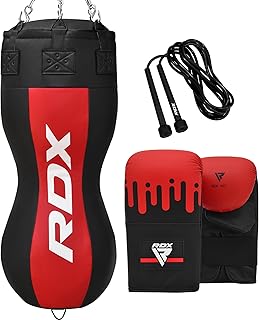
Comparison of Hanging vs Free Standing Punching Bags
Welcome to our comprehensive guide on the comparison between hanging and free standing punching bags. These essential training tools are vital for both beginners and experienced fighters. Understanding the differences between these two types of bags can help you make an informed decision that suits your training style, space, and goals. Whether you’re into boxing, kickboxing, or MMA, knowing what each type offers can enhance your workout experience.
This guide is designed for anyone looking to invest in a punching bag, be it for personal fitness or professional training. You'll learn about the key features to consider, such as durability, stability, and ease of setup. Additionally, we will discuss the price ranges you can expect for both types, helping you choose an option that fits your budget while meeting your training needs.
Assess Your Space
Before choosing between a hanging or free standing punching bag, evaluate the space you have available. Hanging bags require a solid ceiling or wall mount, while free standing bags need floor space. Ensure your training area can accommodate the bag type you prefer.
People Also Look For:
- RDX Heavy Boxing Uppercut Punch Bag, Filled Body Punching Bag, Dummy Bag for MMA Training, Muay Thai, Kickboxing, BJJ, Karate, Tae...
- RDX Heavy 5FT Punch Bag Pro Training 3PC 4PC & Only Bag, 25KG Pre Filled with 50KG Max Filling Capacity, Boxing Bag Set with Glove...
- Punching Bag for Adults, 4ft Heavy Boxing Bags with Chain Ceiling Hook, Hanging Boxing Bag for Kickboxing Muay Thai Karate Judo Ta...
- Senshi Japan Punch Bag Filling Sand - Adds Weight & Hardens Heavy Bags for Boxing, MMA
- YORWHIN Heavy Bag Boxing for Adults, 4FT Boxing Punch Bag, Boxing Training Equipment with Unfilled Kicking Bag, Reflex Ball, MMA G...
Consider Size and Weight
Hanging bags come in various sizes, typically ranging from 3ft to 6ft. Free standing bags also vary but are generally heavier and more stable. Select a size that aligns with your training intensity and physical stature for optimal performance.
Installation Requirements
Hanging bags require installation, including brackets or chains, which may involve drilling. Free standing bags, however, are often ready to use out of the box. Consider your comfort level with installation when making your choice.
Stability and Safety
Free standing bags tend to be more stable on flat surfaces but can shift during intense workouts. Hanging bags, while securely mounted, can cause wear on the ceiling or wall. Assess your training style to determine which option offers the best safety for your workouts.
Budget Considerations
Prices for both hanging and free standing bags can vary widely based on brand, material, and included accessories. Generally, free standing bags may be slightly more expensive due to their construction. Set a budget before shopping to streamline your decision-making process.
Delivery and Set-Up
Check the delivery options and set-up requirements for your chosen bag. Free standing bags may be easier to transport and set up at home, while hanging bags might require professional help for installation. Factor in these logistics when making your purchase.