Heavy Bags vs Speed Bags Best Options for 2026
As the fitness landscape evolves, the choice between heavy bags and speed bags remains a key consideration for home gym enthusiasts in 2026. Both options offer unique benefits, tailored to different training goals and styles. Understanding the nuances of each can significantly impact your training efficiency and overall performance. In this article, we delve into the strengths and weaknesses of heavy bags and speed bags, ensuring you can make an informed decision for your home workout regimen.
Understanding Heavy Bags
Heavy bags are a staple in boxing and martial arts training, designed to withstand powerful strikes. In 2026, advancements in materials and design have enhanced their durability and performance. Typically weighing between fifty and one hundred pounds, these bags simulate the feel of an opponent, allowing fighters to develop strength, endurance, and technique.
One of the most significant advantages of heavy bags is their ability to improve striking power and technique. When you punch or kick a heavy bag, the resistance forces your muscles to engage more fully, which can lead to greater strength gains over time. For instance, a boxer looking to enhance their knockout power would benefit greatly from incorporating heavy bag workouts into their routine.
Another aspect to consider is the versatility of heavy bags. They can be used for a variety of striking techniques, including punches, kicks, and knees, making them suitable for various martial arts disciplines. Additionally, heavy bags can be utilized for conditioning workouts, where you can combine striking with footwork drills, increasing cardiovascular endurance and agility.
Choosing the Right Heavy Bag for Home Use
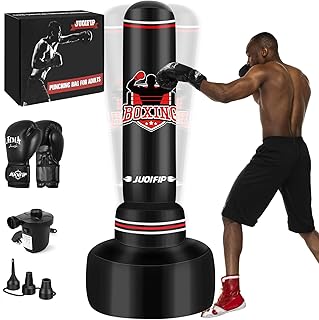
In 2026, selecting the appropriate heavy bag involves assessing your training needs and available space. There are several types of heavy bags available, including free-standing models and those that require mounting. A free-standing bag may be ideal for those with limited wall space, while a traditional hanging bag can provide a more authentic training experience.
People Also Look For:
- DEWIN Punching Bag, Training Fitness Boxing Hook Kick Sandbag, Fight Karate Punch Punching Sandbag, Punch Sandbag for MMA, Kickbox...
- HOMCOM 3-in-1 Boxing Punching Bag Free Standing with 2 Speed Balls, 360° Relax Bar, PU-Wrapped Boxing Bag and Fillable Base, 160-...
- Freestanding Punching Bags for Adults - 175cm Heavy Punching Bag with Stand - Men Standing Boxing Bag Inflatable Kickboxing Bag fo...
- Boxing bag heavy duty punching bag Filled 4ft 5ft set, punch bag Kickboxing MMA Grappling Muay Thai Karate BJJ best punch bags equ...
- LEKÄRO Free Standing Punch Bag with Boxing Gloves, Heavy Boxing Bag with Stand for Adult Teens, Kickboxing Bag for MMA Muay Th...
- Weight: Choose a weight that matches your skill level. Beginners may start with a lighter bag, while advanced users may opt for heavier options.
- Material: Look for high-quality synthetic leather or canvas for durability. Ensure it can withstand regular use.
- Size: Consider the height and width of the bag for your training style. Taller bags are better for practicing high kicks.
The Role of Speed Bags
Speed bags, on the other hand, are designed to improve hand speed, timing, and coordination. These smaller bags are mounted on a platform and bounce back quickly when struck, making them ideal for developing reflexes and rhythm. In 2026, speed bags remain an essential tool for boxers and martial artists aiming to enhance their speed and precision.
One of the primary benefits of speed bags is their ability to improve cardiovascular endurance. The rapid movements required to keep the bag in motion elevate the heart rate, providing an excellent aerobic workout. This can be particularly beneficial for athletes preparing for competitions in 2026, where stamina is crucial.
Another significant advantage of speed bags is their focus on technique. Practicing with a speed bag helps refine punching technique, ensuring that strikes are not only fast but also controlled. For instance, a fighter training for an upcoming match can use speed bags to perfect their jabs and hooks, leading to improved performance in the ring.
How to Incorporate Speed Bags into Your Routine
When integrating speed bags into your training regimen, consider setting specific goals for each session. In 2026, many trainers recommend a structured approach to maximize effectiveness. Here is a sample routine:
- Warm-up: Begin with dynamic stretches to prepare your muscles.
- Technique drills: Spend ten minutes focusing on different punches, ensuring proper form.
- Speed intervals: Alternate between high-speed punches and slower, more controlled strikes.
- Cool down: Finish with static stretches to aid recovery.
Many athletes find that combining both heavy bags and speed bags in their training regimen provides a comprehensive approach to skill development. For instance, a typical training week might include heavy bag sessions for strength and power, followed by speed bag workouts for agility and endurance.
Comparing the Benefits of Heavy Bags and Speed Bags
When deciding between heavy bags and speed bags, it is essential to consider your personal training goals. In 2026, many fitness experts suggest that heavy bags are better suited for building strength and power, while speed bags excel in honing speed and coordination. Depending on your focus, you may choose one over the other or incorporate both for a balanced training approach.
Furthermore, the space available in your home gym can influence your decision. Heavy bags typically require more room and may need mounting, while speed bags require less space and can be set up in a corner or small area. Understanding your environment can help streamline your training setup.
Incorporating both training tools can yield significant results. For example, a fighter may alternate between heavy bag rounds to build strength and speed bag intervals to enhance quickness during sparring sessions. This dual approach can lead to improved performance in competitive settings, ensuring that you are well-rounded in your skills.
Real-World Applications and Scenarios
Consider a scenario where a home practitioner is preparing for a local boxing tournament in 2026. They may dedicate certain days solely to heavy bag workouts to build knockout power, while other days focus on speed bag training to enhance their reaction times and overall agility. This targeted training strategy allows them to address specific weaknesses while capitalizing on their strengths. By the time they enter the ring, they will have a well-rounded skill set that reflects the intense preparation they undertook in their home gym.
Another example could involve a fitness enthusiast who is not training for competition but seeks to improve their general fitness and stress relief. They might find that alternating between heavy bags for strength and speed bags for cardiovascular health leads to a comprehensive fitness experience. This approach not only keeps workouts engaging but also promotes balanced muscle development and cardiovascular resilience.
As the fitness industry continues to evolve, the importance of understanding the differences between heavy bags and speed bags remains paramount. Each tool offers distinct advantages that cater to various training objectives. Whether you are a seasoned athlete or a beginner, tailoring your training regimen to include both can enhance your performance and overall fitness experience in 2026. With the right combination of equipment, motivation, and dedication, achieving your fitness goals becomes an attainable reality.

![Desktop Punching Bag, [Upgrade, Flexibility] Boxing Bag Spee](https://m.media-amazon.com/images/I/71an53kNirL._AC_UL320_.jpg)
