What to Seek in Punching Bags You Need for Success in 2026
As we approach 2026, the landscape of fitness and combat training continues to evolve. For many boxing enthusiasts and fitness aficionados, the right equipment can significantly impact performance and training outcomes. Among the variety of equipment available, punching bags stand out as a fundamental tool for honing skills, improving stamina, and building strength. However, not all punching bags are created equal, and selecting the right one is crucial for achieving your goals.
The Importance of Size and Weight
When considering a punching bag, the size and weight are paramount. The bag should be proportionate to your body size and skill level. A heavier bag is ideal for more experienced fighters, as it allows for more powerful strikes without excessive movement. Conversely, lighter bags are more suitable for beginners who are still perfecting their technique. In 2026, many brands are expected to offer a range of weights and sizes, making it easier to find a bag that aligns with your training needs.
Material and Durability
The material of the punching bag is another critical factor. Most punching bags are made of synthetic leather, canvas, or vinyl. For 2026, it is advisable to seek bags made from high-quality synthetic leather, as they tend to be more durable and resistant to wear and tear. Additionally, consider the filling material. Sand, foam, and water are common fillings, each offering different levels of impact absorption. Foam-filled bags usually provide a softer impact, while those filled with sand or water can offer a more realistic feel during training.
People Also Look For:
- Desktop Punching Bag, Desk Boxing Bag with Suction Cup Counter Top Stress Relief Punching Bag Fun Punch Rage Bag, Funny White Elep...
- Kids Inflatable Punch Bag - Interactive Childrens Punching Bag and Childrens Toys - Punching Bag for Kids - a Free Standing Punch ...
- EIVONDA Punching Bag for Kids 160cm Inflatable Ninja Kids Punching Bag with Boxing Gloves and Pump Boxing Bag for Practicing MMA K...
- WARX Leather Double End Dodge Speed Ball MMA Boxing Floor to Ceiling Punching Bag Training
- Gallant 5.5ft Free Standing Punch Bag-Heavy Duty Pedestal Stand Boxing Bag for Kickboxing Martial Arts MMA Dummy Muay Thai Home Gy...
Bag Type and Design
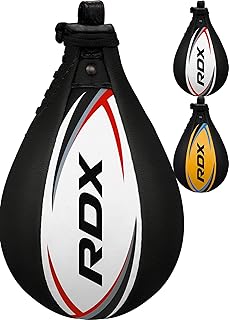
There are several types of punching bags available, including heavy bags, speed bags, and double-end bags. Each serves a distinct purpose in training regimens. Heavy bags are excellent for developing power and technique, while speed bags are designed to improve hand-eye coordination and reflexes. Double-end bags combine elements of both, allowing for a dynamic training experience. As 2026 approaches, opting for a versatile bag that can accommodate various training styles will be beneficial for any serious athlete.
Attachment and Setup Options
The method of attachment plays a significant role in how a punching bag performs. Hanging bags require a sturdy ceiling mount or a free-standing frame to secure them, while free-standing bags offer portability and convenience. In 2026, it is essential to assess the available space in your training area and choose accordingly. Consider whether you will need to move the bag frequently or if it will have a permanent setup. This decision will help determine the best option for your training environment.
Innovative Features
As technology advances, so do the features available in punching bags. Some modern bags come equipped with smart technology, allowing users to track their performance metrics. These features can include impact sensors that measure the force of each punch and provide feedback on technique. As we move into 2026, bags with integrated technology can offer valuable insights that enhance training effectiveness, making it easier to set and achieve personal goals.
Price and Value
While it may be tempting to opt for the cheapest option available, investing in a quality punching bag is crucial for long-term satisfaction. In 2026, the market will likely have a wide range of prices, so it is essential to consider the value offered by each bag. Look for brands that provide warranties or guarantees, as these can often indicate the reliability and durability of the product. Balancing budget constraints with quality will ensure you make a wise investment in your training journey.